>FASTA_35
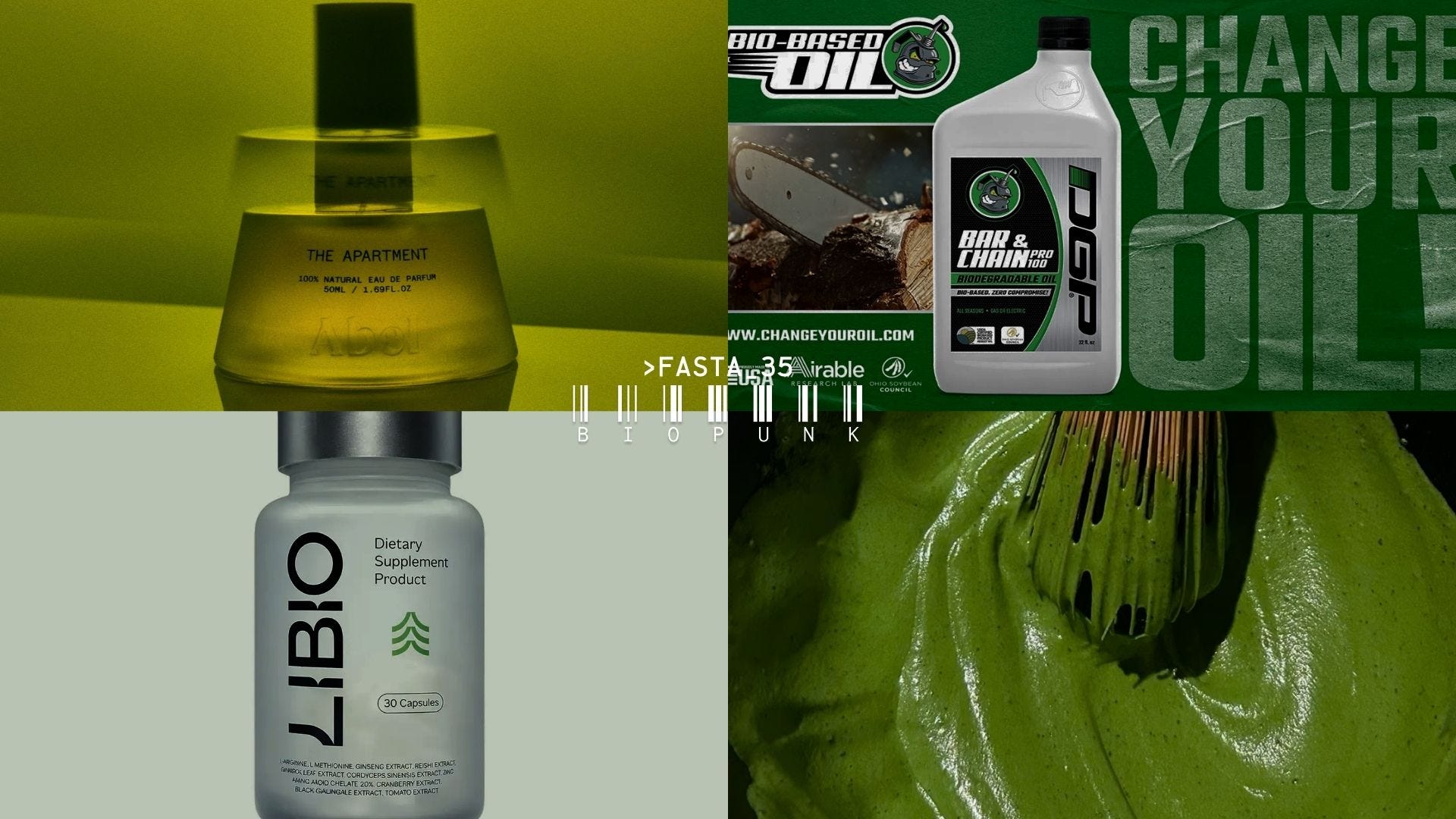
GLP-1 gene therapy; Menstrual blood; Bugs as bioreactors; Rejuvenation clinical trials; Plant-based engine lubricants; Ready-to-drink creatine; Biotech fragrances; Human design.

>FASTA: short reads of the biotech ecosystem beyond trad-pharma | Papers and patents, acquisitions and bankruptcies + biotech philosophy | Follow on LinkedIn, X, and Instagram.
Fractyl Health ($GUT) is developing a GLP-1 gene therapy.
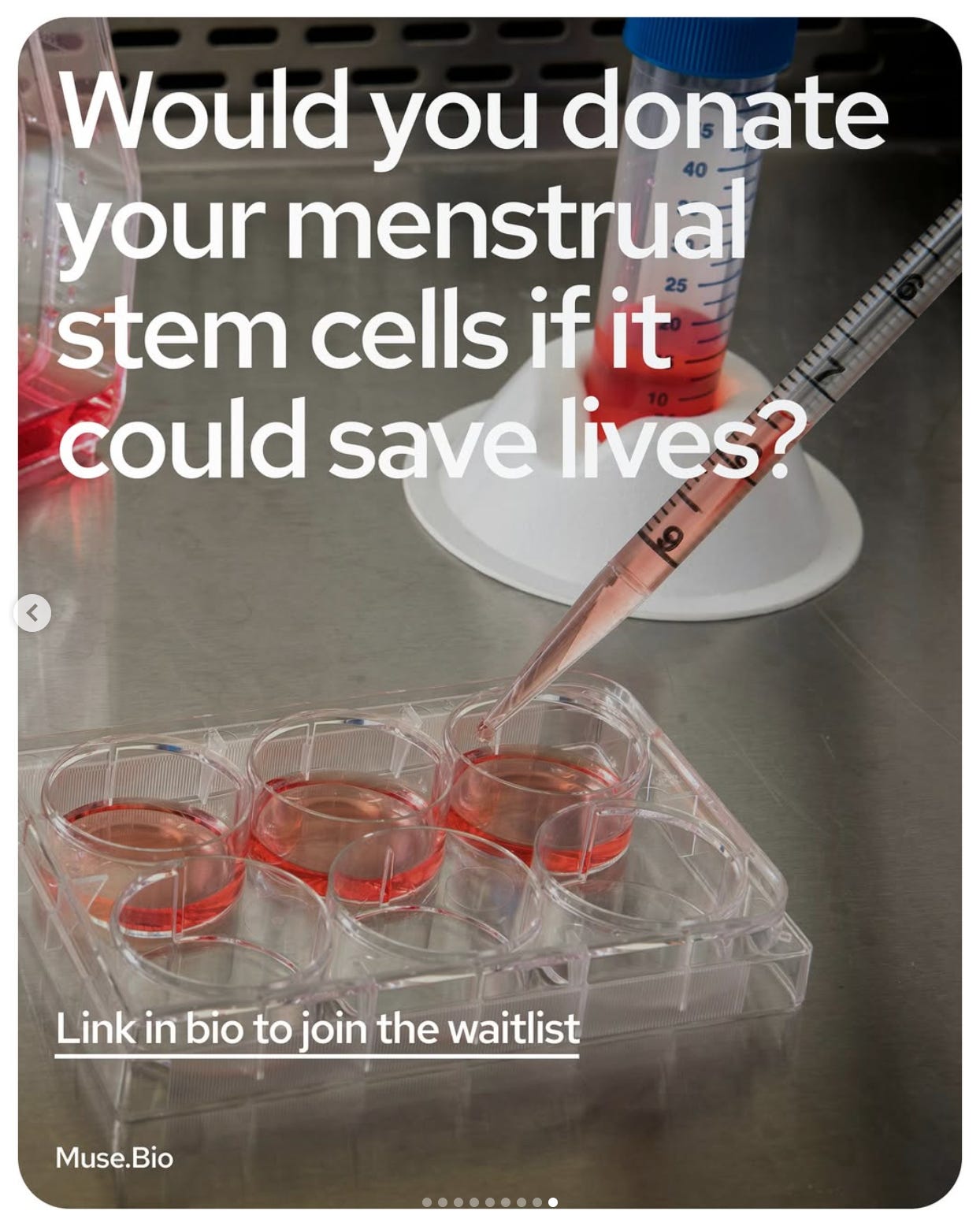
Muse bio collects menstrual blood donations for stem cell research.
Chilean startup ByBug uses fly larvae as protein biofactories.
David Sinclair’s Life Bioscience will begin human trials this year.
BioProtocol just launched a new men’s health supplement.
Enzymatic conversion of blood groups for kidney donation.
DGP’s plant-based engine lubricants sell in Home Depots across the US.
Cymbiotika cracked the code to ready-to-drink creatine.
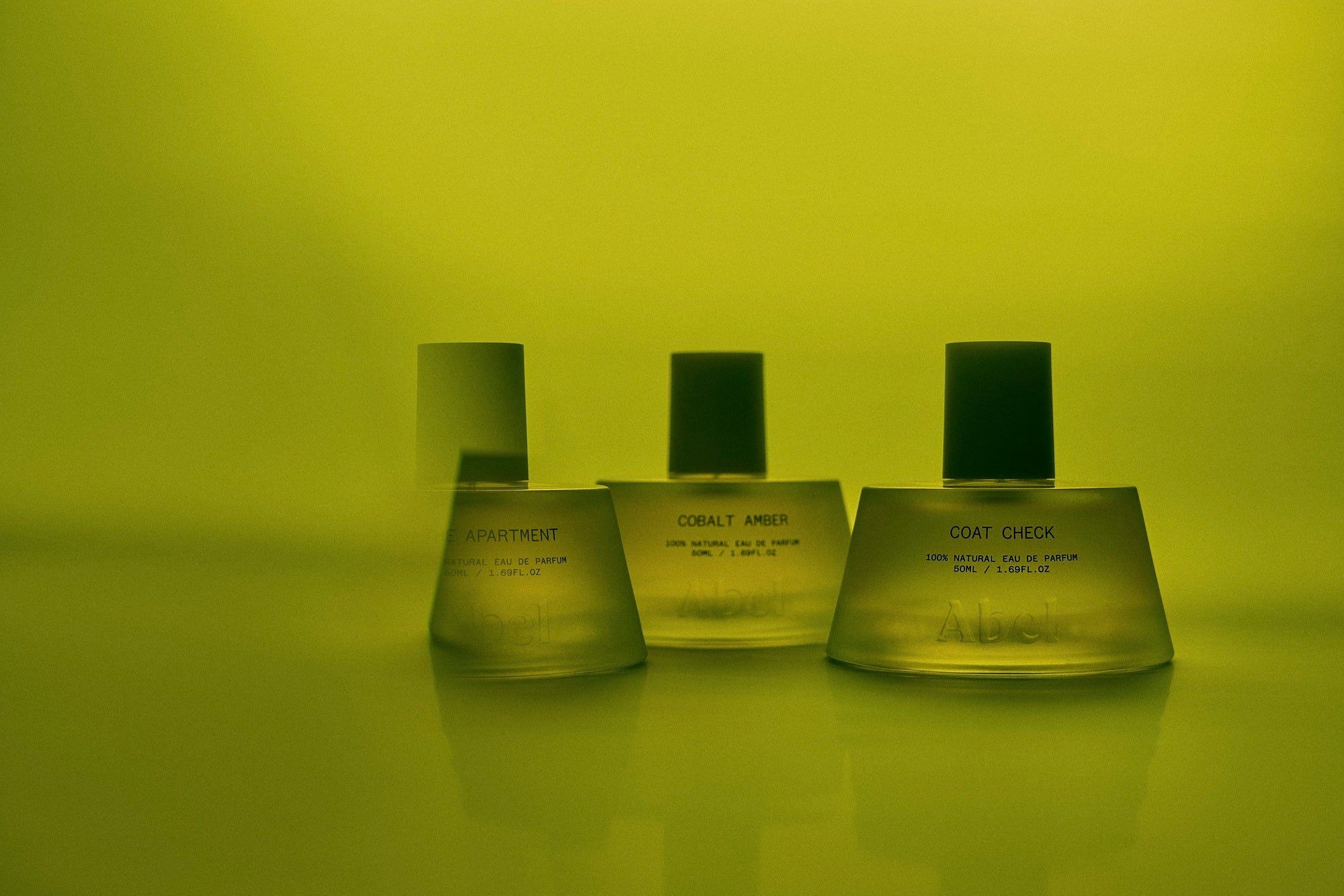
Abel re-launched as a biotech-based fragrance house.
Poets: the rise of wellness & looks-maxxing coaches.
Become a Biopunk member to read more about all of these!
Obesity gene mods
Fractyl Health ($GUT) is developing a gene therapy, Rejuva, delivered via endoscopic ultrasound and AAVs. By targeting pancreatic beta cells directly, they could reduce side effects linked to high GLP-1 blood concentrations. Lean mice tolerated the therapy well and did not exhibit excessive weight loss. Clinical trials will begin this year.
Instead of DNA editing, Wave Life Sciences targets the INHBE mRNA via siRNA in a GalNAc (a sugar) delivery system. The RNA codes for hepatokine activin E, a protein that inhibits fat breakdown and plays a role in abdominal fat distribution. This therapy is about to enter phase 2 clinical trials.
Menstrual blood
Menstrual stem cells can be collected in a non-invasive and repeatable way and they are less likely to trigger an immune response. The team at Muse Bio thinks they could be an alternative to more accesible stem cell treatments, and they’re paying women to donate them.
They want to figure out how menstrual health affects stem cells and how they could be used to design personalized nutrition plans and recovery strategies. Some also think that they may be used as a diagnostic strategy for endometriosis. For now, Muse only stores samples for nine months and doesn’t offer any results to donors.
Chilean bioreactors
ByBug uses Black Soldier Fly (BSF) larvae to synthesize veterinary proteins and industrial enzymes. Their upstream costs can be up to 20x cheaper than traditional bioreactors, production capacity >100x greater, batches don’t change much between lab and industrial scale, and insects can perform post-translational modifications that microbes cannot.
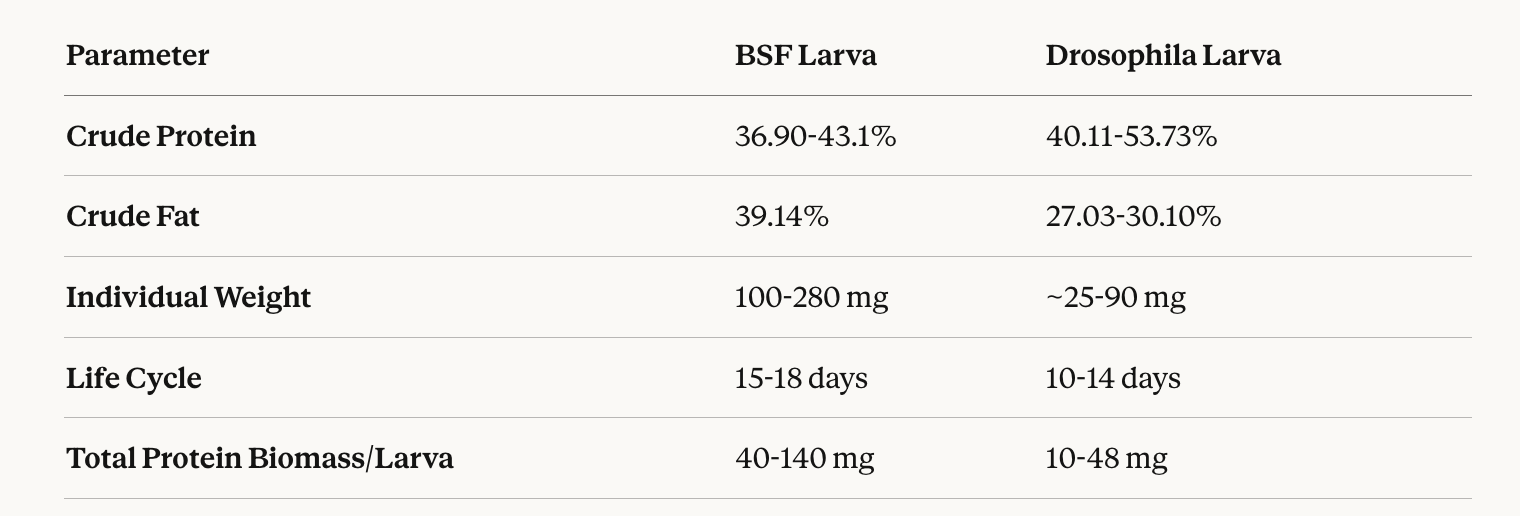
Although I couldn’t find any public studies on the yields of such a system, I found some data on its composition compared to Drosophila that might be informative. We also know that its genome was just sequenced in 2021, and that unlike fruit flies, it’s not prone to carrying diseases.
Human reprogramming goes to the clinic
David Sinclair’s Life Bioscience startup is testing a rejuvenation therapy to treat glaucoma. Previously, using only three of the four Yamanaka factors got them positive results in mice. While eyes have a lower immune response and are self-contained, the antibiotic switch still begs the risk of an immune reaction.
“More humans, fewer problems” says Silver Linings, a longevity project funded by the Amaranth Foundation. They pretty much sound like an effective altruist telling you that longevity is essential for economic growth, especially with declining fertility rates. I like how they acknowledge the misaligned incentives for health in pharma and insurance though.

LIBIO
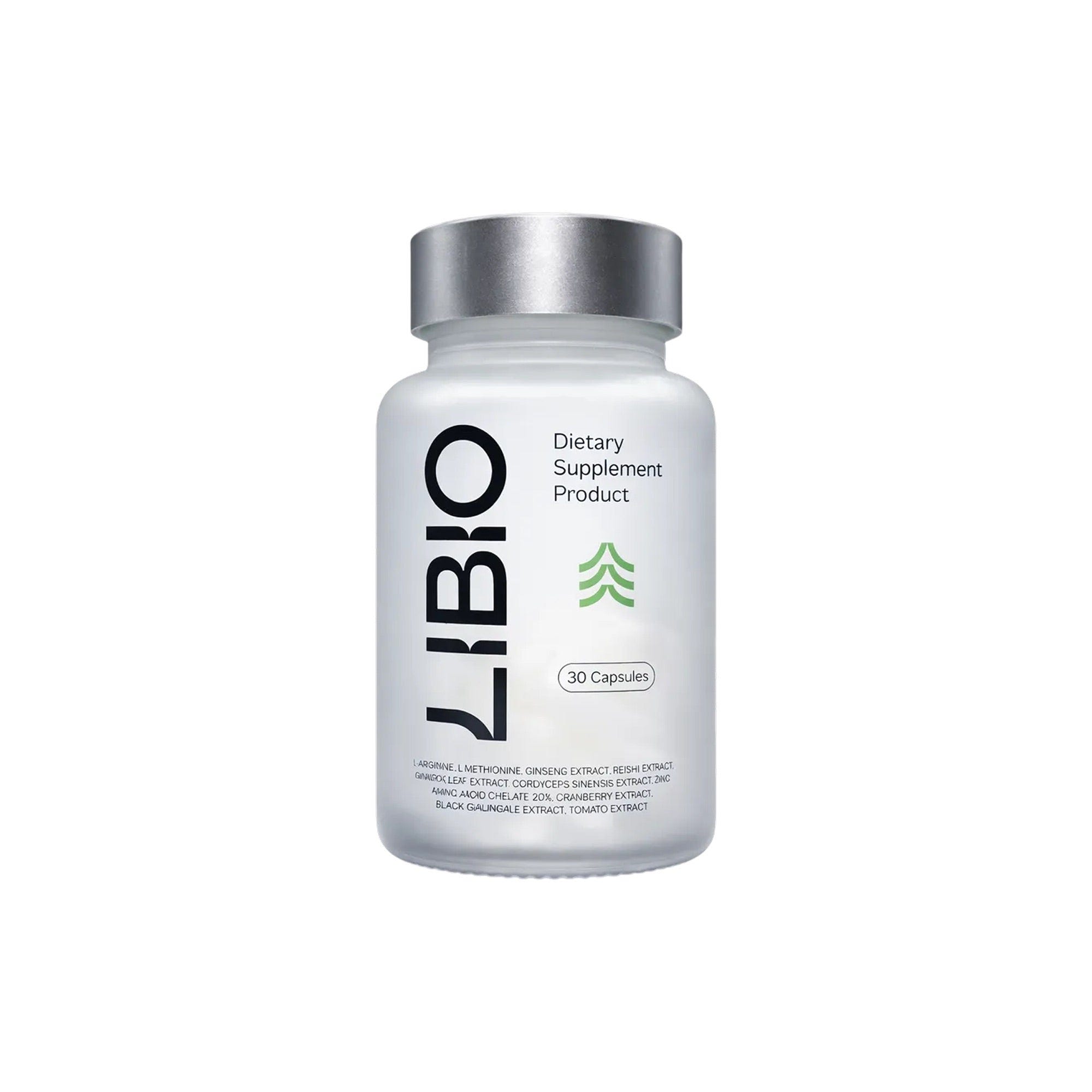
LIBIO was launched on BioProtocol’s marketplace Biofy this week. The cocktail of amino acids, zinc, lycopene, and botanical extracts was tested on 15 participants who reported better erection quality, improved fertility markers, more energy and focus, and better sleep over four weeks. A month’s-worth supply costs $135 USD plus ~$17 shipping costs.
Last year I wrote a brief on the progress DAOs have made since their inception in 2021. Something I didn’t consider at the time for consumer products, especially supplements, is how little testing involved there was — Is it really DeSci if you’re not showing any of the Sci and conform to saying a few people liked it?
Universal blood
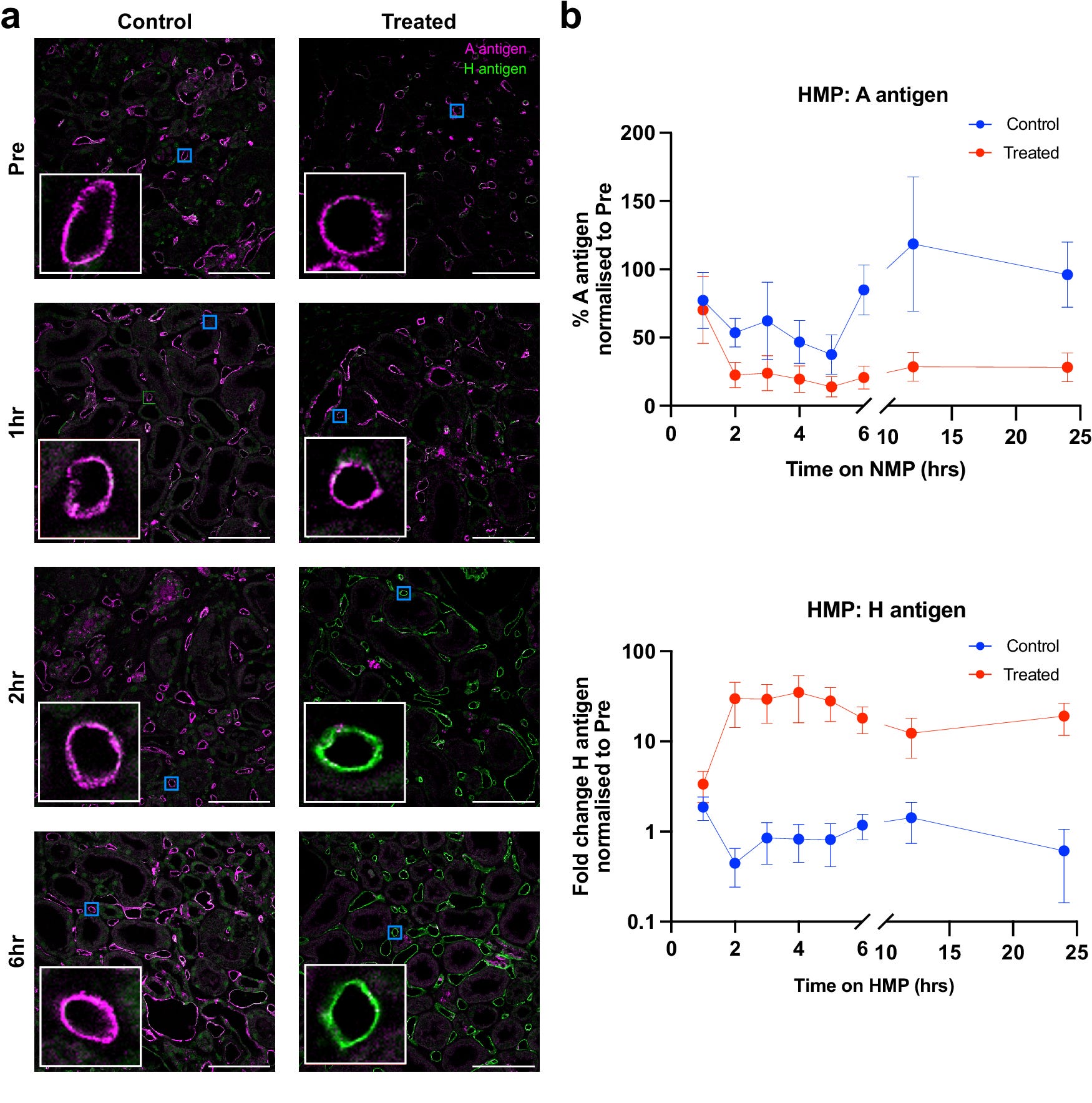
A and B blood antigens represent the first obstacle for kidney transplants. In this study, bacterial enzymes FpGalNAc deacetylase and FpGalactosaminidase were able to remove ~80% of antigens in transplant kidney blood in two hours when delivered via normothermic machine perfusion.
The new type-O kidney was transplanted into a 68-year-old brain-dead man in China and remained healthy for two days, but A antigens started to reappear 3 days post-transplant, suggesting an immune-mediated response.
Engine lubricants
Dynamic Green Products (DGP) manufactures soybean-based engine lubricants. From the beginning, the team focused on the properties of plants that would outperform petroleum: higher viscosity needed for heavy loads, higher fire points for safety, and nearly full biodegradability in less than a month.
Ten years since their inception, they sell over ten different products through their own channels, and they have licensing agreements with companies like Black & Decker whose oils are available in Home Depots all across the US.
Cymbiotika’s liposomal supplements
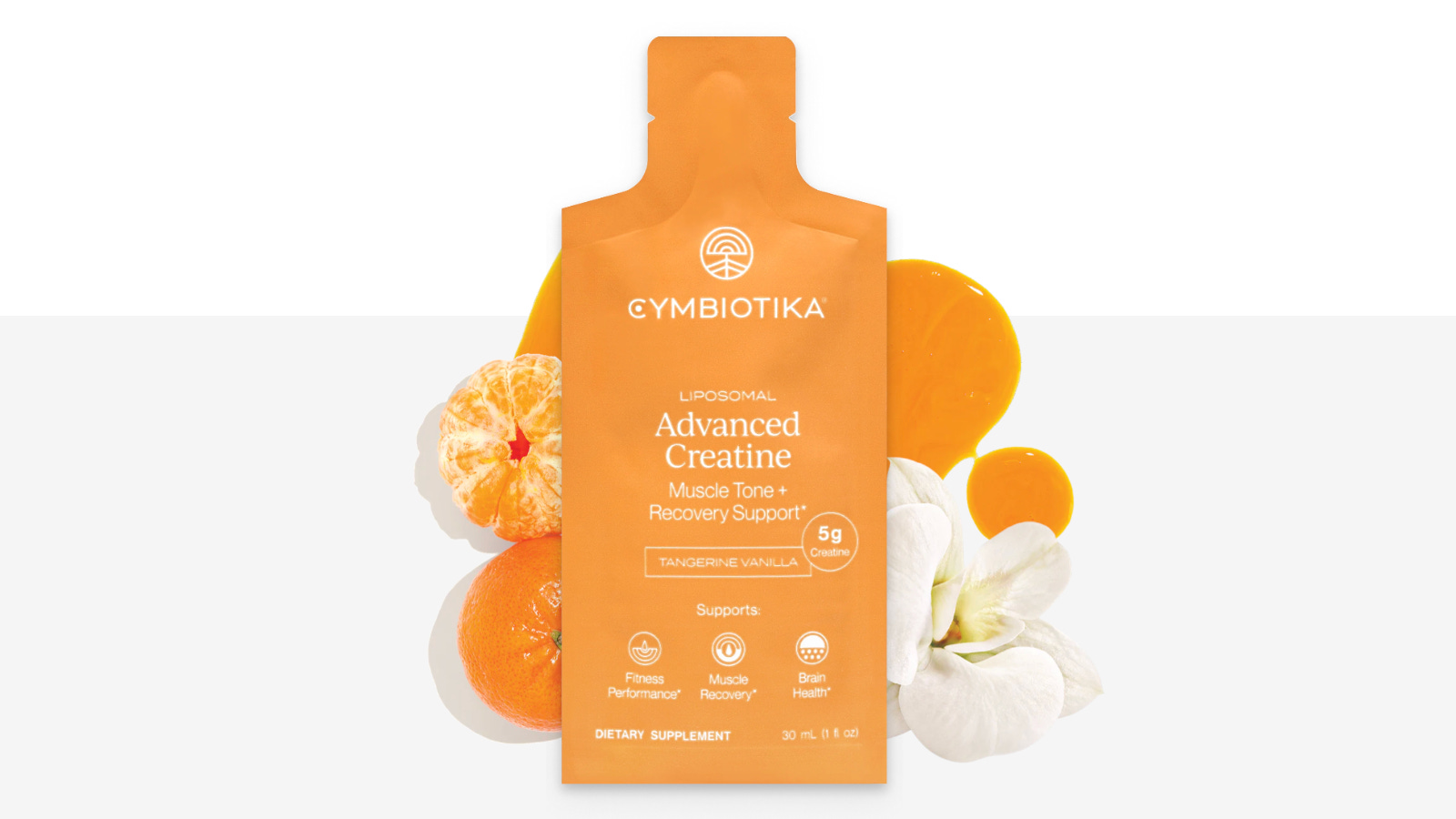
Cymbiotika’s liposome formulations have become the key to offering ready-to-drink supplements with better delivery and absorption efficiency. Among their liposomal products are creatine, magnesium, vitamin C, and gluthione. The company founded by Shahab Elmi in 2018 has raised $55M so far.
Interest in creatine has been growing since 2020 and had a spike in popularity last year when the global market was estimated at $1.37B. While the majority of those sales are attributed to powders, a liquid format could clearly triumph in convenience.
Reinventing perfume
Almost a decade since its inception, Abel Fragrance raised $1.35M to become a more sustainable and transparent brand powered by biotech. To founder and CEO Frances Shoemack, this means using bacteria, fungi and yeast to ferment plant sugars into their scent molecules — a process familiar from her previous work in winemaking.
They frame the 25% increase in their prices as the inevitable result of doing things the right way. One of their perfumers, Isaac Sinclair, notes that Guerlain first used phenol in perfume over a century ago, when it was more expensive than natural vanilla extract but now the synthetic option is cheaper. Innovative brands like Abel will not wait to embrace the value of biotech-powered processes.