

>FASTA: short reads of the global biotech ecosystem | Papers and patents, acquisitions and bankruptcies, biotech philosophy | Follow on LinkedIn, X, and Instagram.
It’s been a loooongggg break from posting, but I haven’t stopped reading and thinking about biotech. Let’s catch up on fertility, neurotech, longevity, and peptide startups:
Chinese billionaires have been ordering babies by the dozen, made through IVF and surrogacy.
RenewalBio makes “synthetic” embryos directly from stem cells.
Fairtility, the AI tool that enhances the work of embryologists.
Colossal Foundation donated $1.5M to George Church to make artificial wombs.
Becoming is an SF startup that builds exogenous placenta.
The DOE will train AI scientists on Federal scientific datasets.
DARPA’s new Generative Optogenetics (GO) Program.
Antitrust in the science instrument industry.
Sam Altman and Masayoshi Son’s new R&D company.
Flow Neuroscience’s transcranial stimulation device has been approved by the FDA.
Subscribe to read all 30 news about: a marketplace for non-human genomic data, the ozempic economy, the company cultivating pharma-grade shrooms, a phage therapy for obesity, betting on human enhancement, biotech new masculinity, endometriosis startups, quantum dots, health by subscription…
Fertility
1. IVF dynasties
Are the super-rich cloning themselves in secret? — As much as we like to think that we have a precise map of what the smartest biotech scientists, “the first” CRISPR babies took us all by surprise. Exhibit B, Chinese billionaires have been ordering babies by the dozen, made through IVF and surrogacy, in none other than the capital of capital, the US.
Some started doing it to bypass China’s one-child policy, then some started selecting for male embryos only, purchasing eggs from models, and building “dynasties” of up to hundreds of children, or that’s what the ex-girlfriend of Chinese videogame executive Xu Bo said.
Just as AI and human-crafted goods each have their place, at the dawn of consumer biology, enhancement is still as sexy as purity. As biology, especially whole humans become commoditized — no matter how rich their parents — being “born this way”, the natural way, may regain its high status among the elites.
2. Mini-me
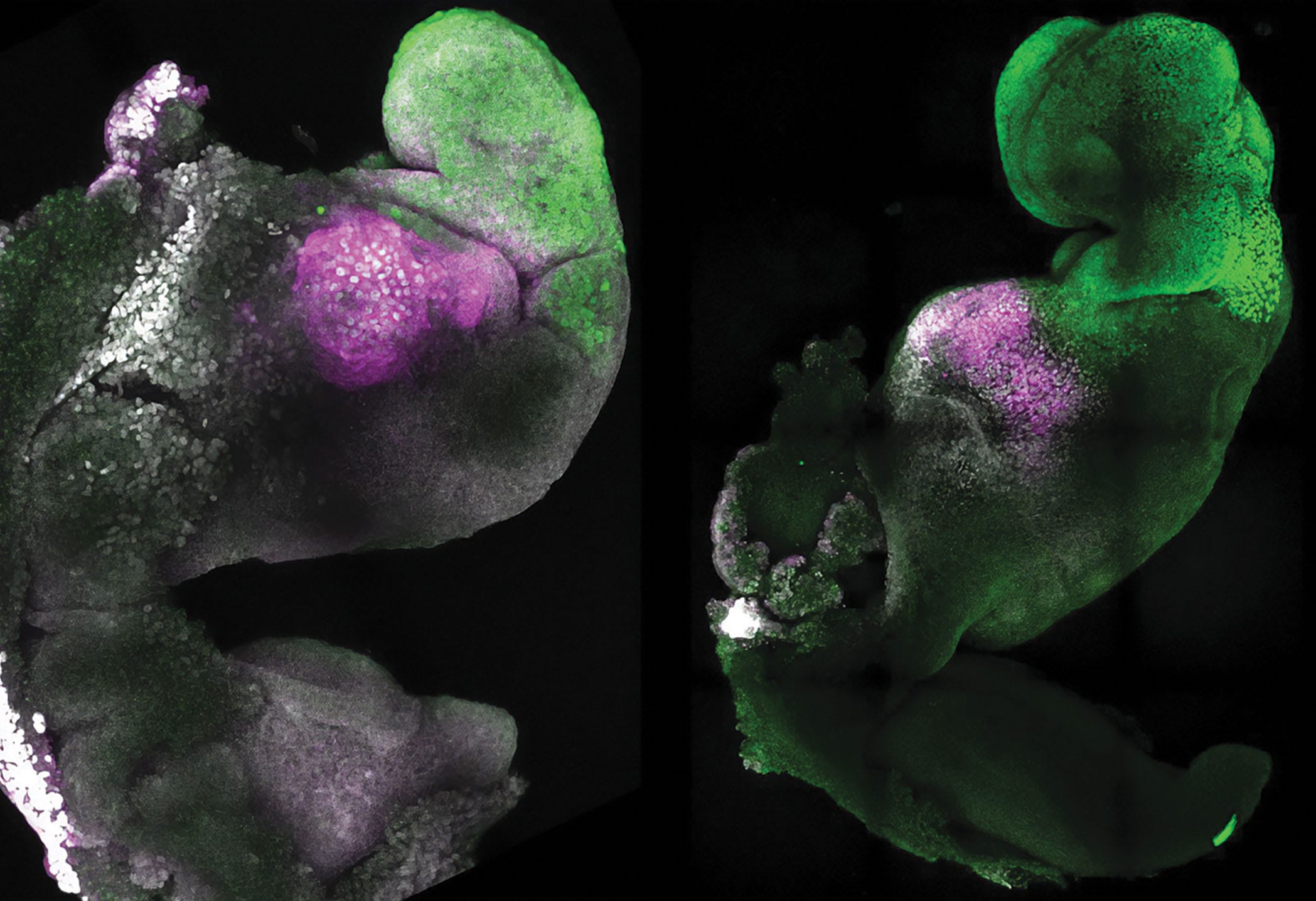
RenewalBio makes “synthetic” embryos directly from stem cells, skipping fertilization. Since Hanna himself transformed his cells into synthetic embryos, it’s not so crazy to think about a future where each of us has a biobank we can harvest organs from. Though only about 2 in 100 embryos get properly formed through this technique with current technology, it’s unclear whether they will have the same legal protection as “natural” embryos.
Israel may be very underrated as a biotech hub — any other crazy startups you think are worth checking out?
3. AI Gods
Many articles argue about a shortage of embryologists in the US, given increasing demand. While making no approximation as to how many professionals exist in this field, some estimate we will need 43,000 more in the next decade and are building automated IVF facilities in response. Klaus Weimer, an embryologist himself, adds that existing embryologists spend 40% of their time doing paperwork.
Introducing Fairtility, the AI tool that enhances the work and productivity of embryologists by predicting embryo and egg health in real time and providing KPIs such as fertilization and blastocyst formation rates. The Israeli company was founded by Eran Eshed, Assaf Ben-Meir, and Itay Erlich.